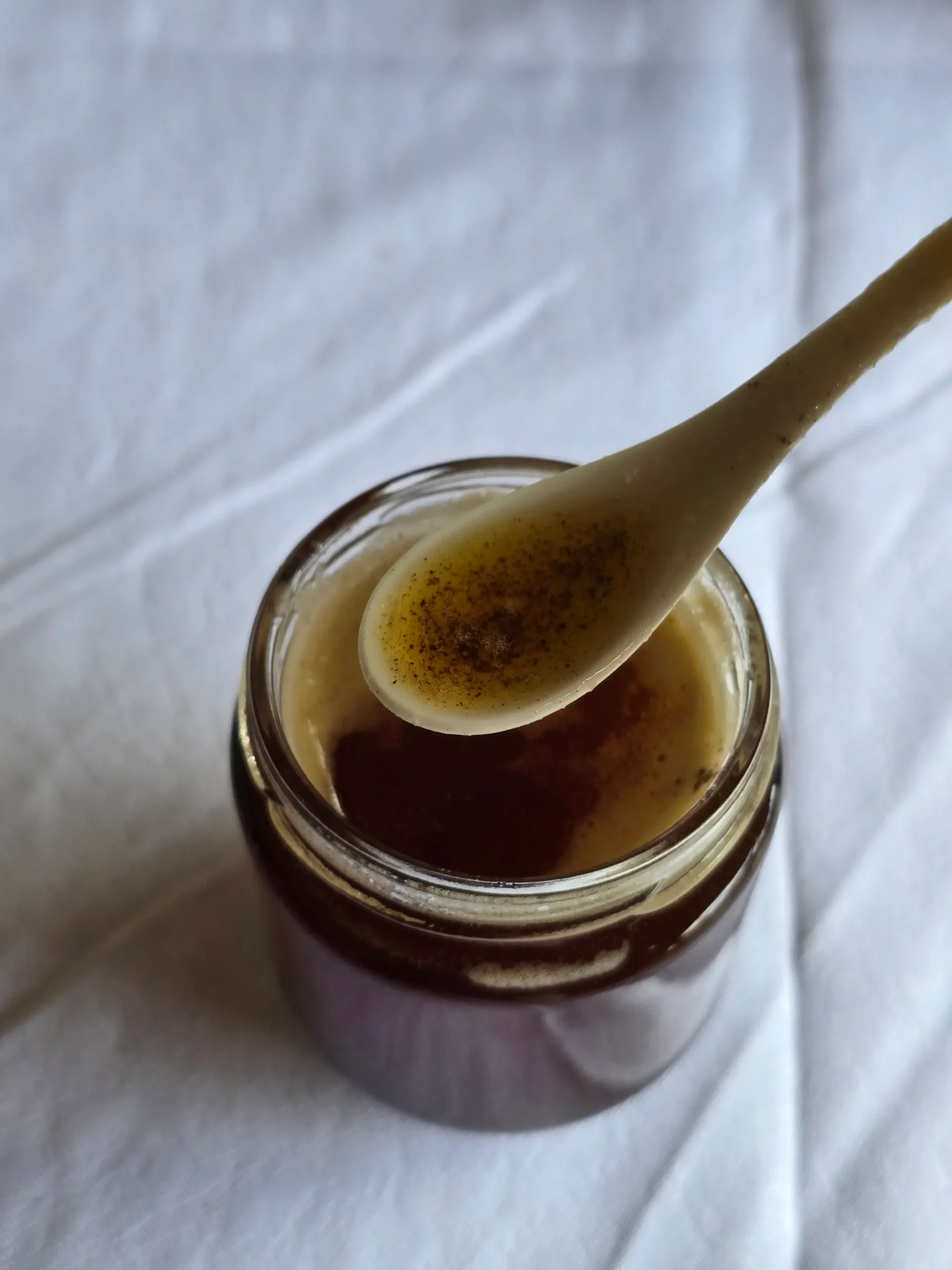
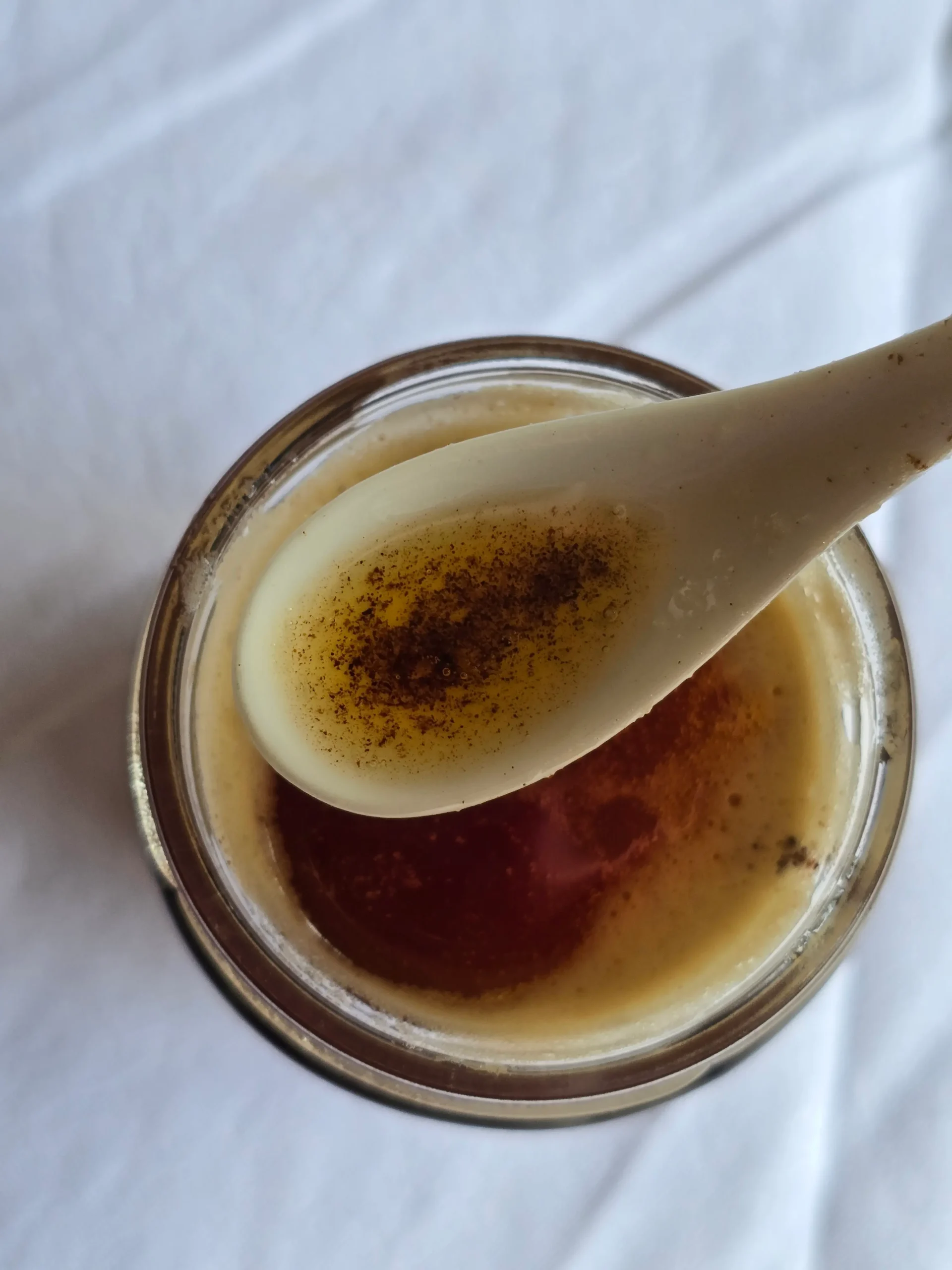
Browned butter (or beurre noisette) is a simple yet transformative ingredient every home cook should know. To get the perfect golden color, use a light-colored saucepan so you can easily see the milk solids as they cook. As the butter melts over medium heat, water begins to evaporate, and the milk solids separate and toast, releasing a warm, nutty aroma. Watch carefully — this stage happens quickly, and browned butter can turn bitter if left too long.
Its rich flavor elevates both sweet and savory dishes. Try it in chocolate chip cookies, banana bread, or buttercream frosting for baked goods. For savory meals, drizzle it over pasta, risotto, or roasted vegetables. Even breakfast favorites like pancakes or waffles taste unforgettable with just a spoonful.
Learning to make this golden butter takes only a few minutes, yet it adds chef-level depth to any dish. Once you recognize the perfect amber hue and aroma of caramelized milk solids, you’ll reach for it again and again. With this guide — and a careful eye on evaporation and color changes — you’ll master the technique and understand why so many bakers and chefs call browned butter their secret weapon.

Browned Butter
Ingredients
- 230 g unsalted butter about 2 sticks / 1 cup
Instructions
- Heat a saucepan over medium heat.
- Add the butter and let it melt, stirring often with a heatproof spatula.
- When the butter melts, it will foam. Keep stirring so the milk solids don’t stick to the bottom.
- Continue cooking until golden specks form and a nutty aroma develops — about 4–5 minutes.
- Remove from the heat as soon as the butter turns a deep amber.
- Pour into a heatproof bowl, scraping in all the browned bits. Cool slightly before using.
Notes
- Drizzle browned butter over roasted vegetables, pasta, or mashed potatoes.
- Use it in chocolate chip cookies, cakes, or buttercream for a rich, nutty note.
- Store in an airtight jar in the fridge for up to 2 weeks, or freeze for longer.
Once you’ve made your browned butter, there are countless ways to use it. For sweet applications, add it to cookies, cakes, muffins, or buttercream frosting to introduce a rich, nutty flavor. In savory dishes, it transforms simple pastas, risottos, roasted vegetables, and pan sauces.
Storage is easy: let it cool completely, then transfer to an airtight container. Keep it in the refrigerator for up to two weeks, or freeze for longer storage. Remember, the key to perfect results is watching the color closely. The milk solids can go from golden to burnt in seconds, so continuous stirring and careful observation are essential.